
Modern Slavery
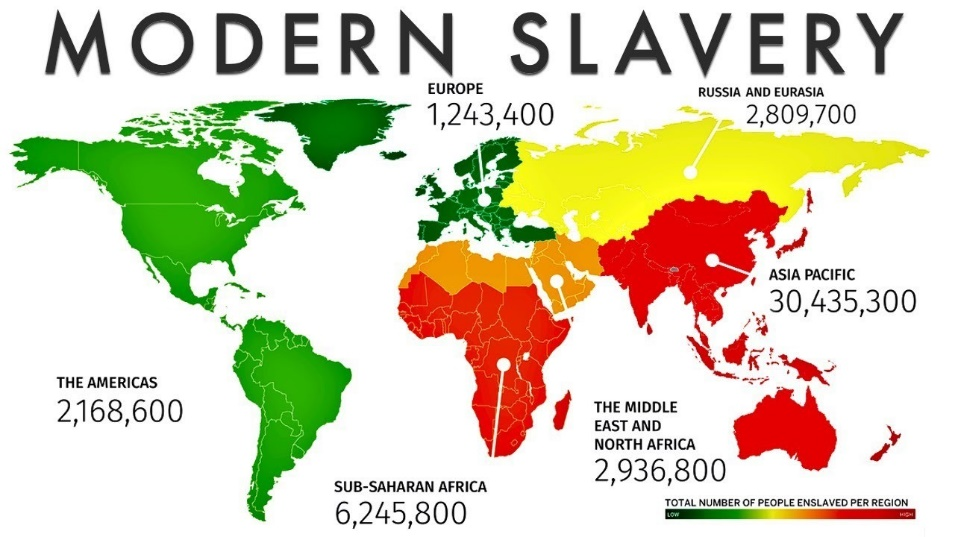
Modern slavery remains a significant yet often hidden issue in Australia, affecting thousands of vulnerable people across various industries. Despite strong legal frameworks and increasing public awareness, exploitation continues to occur in forms such as forced labour, debt bondage, deceptive recruitment, forced marriage, and severe worker exploitation. Many victims are migrant workers who arrive seeking legitimate employment but find themselves trapped in abusive conditions due to language barriers, visa dependency, or fear of retaliation.
Australia’s Modern Slavery Act 2018 marked a major step forward by requiring large businesses to report on the risks of modern slavery in their operations and supply chains. This transparency framework encourages companies to identify unethical practices, improve oversight, and take responsibility for the welfare of workers both domestically and overseas. However, legislation alone cannot eliminate the problem. Effective enforcement, community education, and stronger protections for migrant workers remain essential.
Industries such as agriculture, hospitality, construction, cleaning, and domestic work have been identified as higher‑risk sectors. Cases often involve underpayment, unsafe working conditions, confiscation of passports, and threats that prevent workers from seeking help. Forced marriage also continues to affect young people, particularly women, within certain cultural and family contexts.
Addressing modern slavery in Australia requires a coordinated effort between government agencies, businesses, community organisations, and the public. Improving worker rights, strengthening whistleblower protections, and ensuring fair recruitment practices are critical steps. Equally important is supporting survivors with safe housing, legal assistance, and pathways to rebuild their lives.
Modern slavery may be less visible today, but it persists in forms that demand ongoing vigilance. Australia’s challenge is to ensure that every person—regardless of background or visa status—is protected from exploitation and treated with dignity.